So you say you hate ‘surveillance pricing’
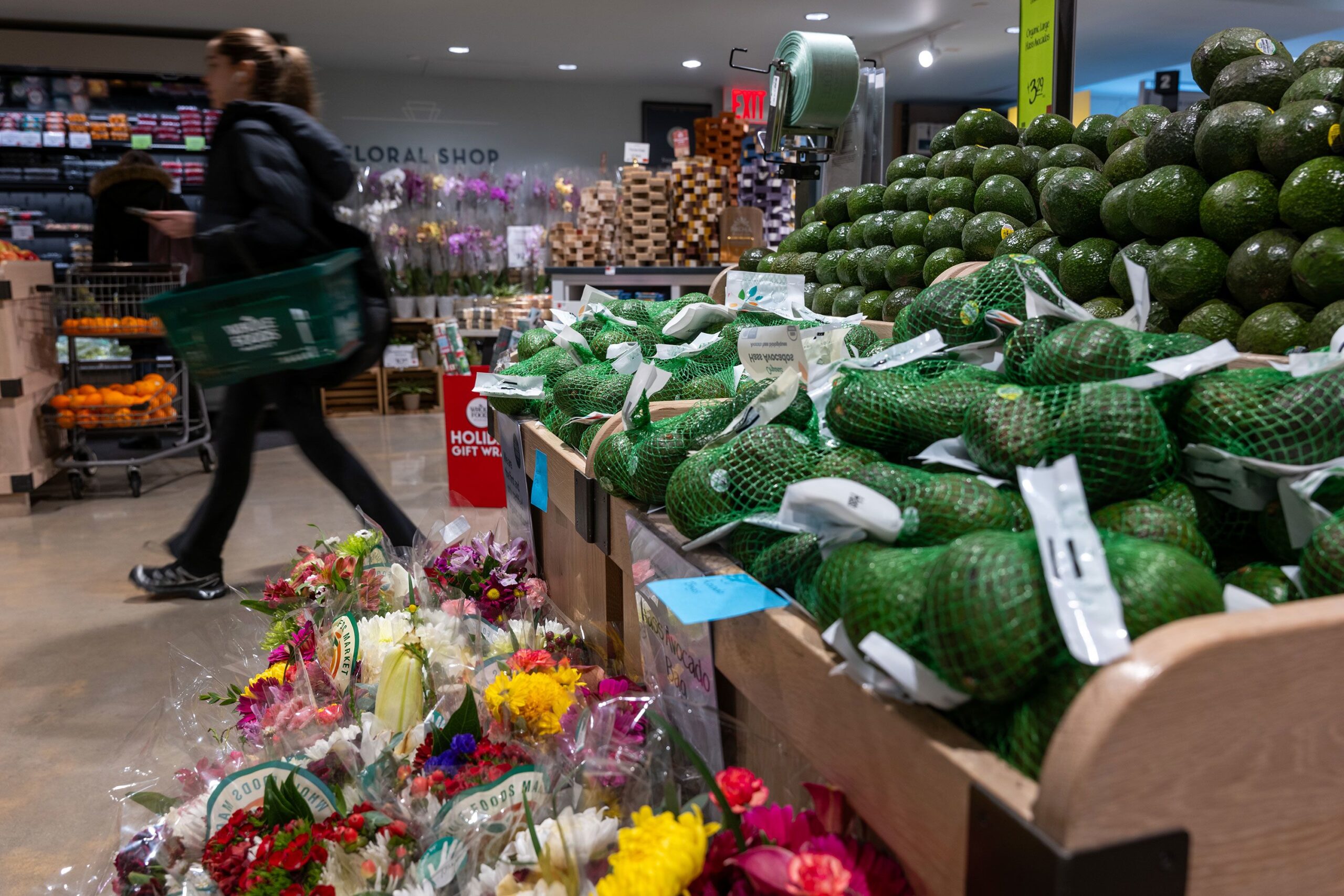
"Surveillance pricing" has become a bogeyman.

By Nathaniel Meyersohn, CNN
New York (CNN) — “Surveillance pricing” sounds very, very bad. Consumers think that companies are tracking their search history, location and income to charge more for groceries and other purchases.
Naturally, lawmakers are trying to crack down on this supposed nightmare.
In Colorado, the legislature passed a bill this summer to ban companies from using customers’ personal data to set individualized prices. The concern is that two people could be charged different amounts for milk based on what the data spits out about their willingness to pay.
But Colorado Gov. Jared Polis saw a big problem with the bill.
“Many Coloradans won’t get discounts on items they buy if I were to sign this,” Polis said in a June letter. “It would punish differentially lower prices, not just higher prices.”
He vetoed it.
Americans are channeling their rage over high prices, AI and giant companies gathering their data into the issue of “surveillance pricing.” A growing number of cities and states are responding with legislation to reel in companies’ use of customers’ personal data to set prices, especially at large grocery stores and fast-food chains. Some bans also target electronic shelf labels at stores. Unions have backed these restrictions on electronic labels because they fear the technology will eliminate the need for workers to change thousands of paper tags in stores each week.
But the tech is more neutral, and Polis’ veto exposed a contradiction with the growing backlash to the practice: the same algorithm that companies use to charge more also can deliver lower prices, reduce food waste and create other benefits for consumers. Broad state and local bans cut off the possibility of lower prices and other tech that delivers benefits, economists, attorneys and marketing experts say.
“Some of the surveillance pricing laws are not only unlikely to protect consumers, they may even harm them,” said Jean-Pierre Dubé, a marketing professor at the University of Chicago’s Booth School of Business.
Evidence also shows that neither “surveillance pricing” nor electronic shelf labels increase overall prices.
“There is essentially no change in pricing behavior after these digital labels are installed,” a study tracking more than 180 million price records at grocery stores last year found.
Dynamic pricing on steroids
The debate around “surveillance prices” often blurs two different practices: dynamic pricing, which adjusts prices based on supply and demand and other market conditions, and personalized pricing.
Dynamic pricing has existed for decades. Happy hour, lunch specials and end-of-season clearance sales are familiar examples. Consumers also encounter dynamic pricing when they buy plane tickets online or order Uber rides.
There is little evidence that dynamic pricing raises prices overall. In some industries, including airlines and restaurants, it has actually enabled companies to offer lower prices.
Airlines have long used dynamic pricing to offer lower fares to travelers who are flexible on their travel dates or willing to fly at off-peak hours. A large restaurant chain that used an algorithm to adjust food delivery prices found that it helped smooth out orders throughout the day, according to a 2023 Harvard University study. The algorithms slashed prices during slow hours to attract customers who would otherwise dine elsewhere, bringing the average price down across the day.
Lower prices weren’t the only benefits of dynamic prices. In the grocery industry, research from the University of San Diego in 2023 found that dynamically pricing perishables cuts down food waste by 21%.
But as AI has expanded companies’ ability to personalize prices across more industries, the practice has gradually been described in more nefarious terms such as “AI surveillance pricing” and “price discrimination.”
Economic populists such as Sens. Elizabeth Warren and Bernie Sanders blame “surveillance pricing” for driving up prices, claiming AI will make things worse. Lindsey Owens, the CEO of progressive economic think tank Groundwork Collaborative, gained traction for her warnings about the opaque ways corporations use customers’ personal data to rip them off.
Owens pointed to a patent Walmart received in 2023 for technology that can remotely deploy dynamic price changes to electronic shelf tags: “If a customer has tuna fish, they may be offered a different price for mayonnaise,” the patent says.
Facing public uproar, Walmart last month defended its practices and told customers: “We don’t set different prices based on who you are or the time of day.”
Walmart has little incentive to abandon its business strategy of stable, consistent prices, said Ioannis Stamatopoulos, a professor of operations at the University of Texas at Austin who has studied dynamic pricing.
The company relies on a model known as everyday low prices — rather than sales and coupons — to draw shoppers. Rapid price fluctuations would alienate Walmart’s customers, Stamatopoulos said.
“They would rather keep you happy and coming back instead of risking your continued business for a few opportunistic cents,” he said.
The-CNN-Wire
™ & © 2026 Cable News Network, Inc., a Warner Bros. Discovery Company. All rights reserved.
