Wholesale inflation was hotter than expected in January
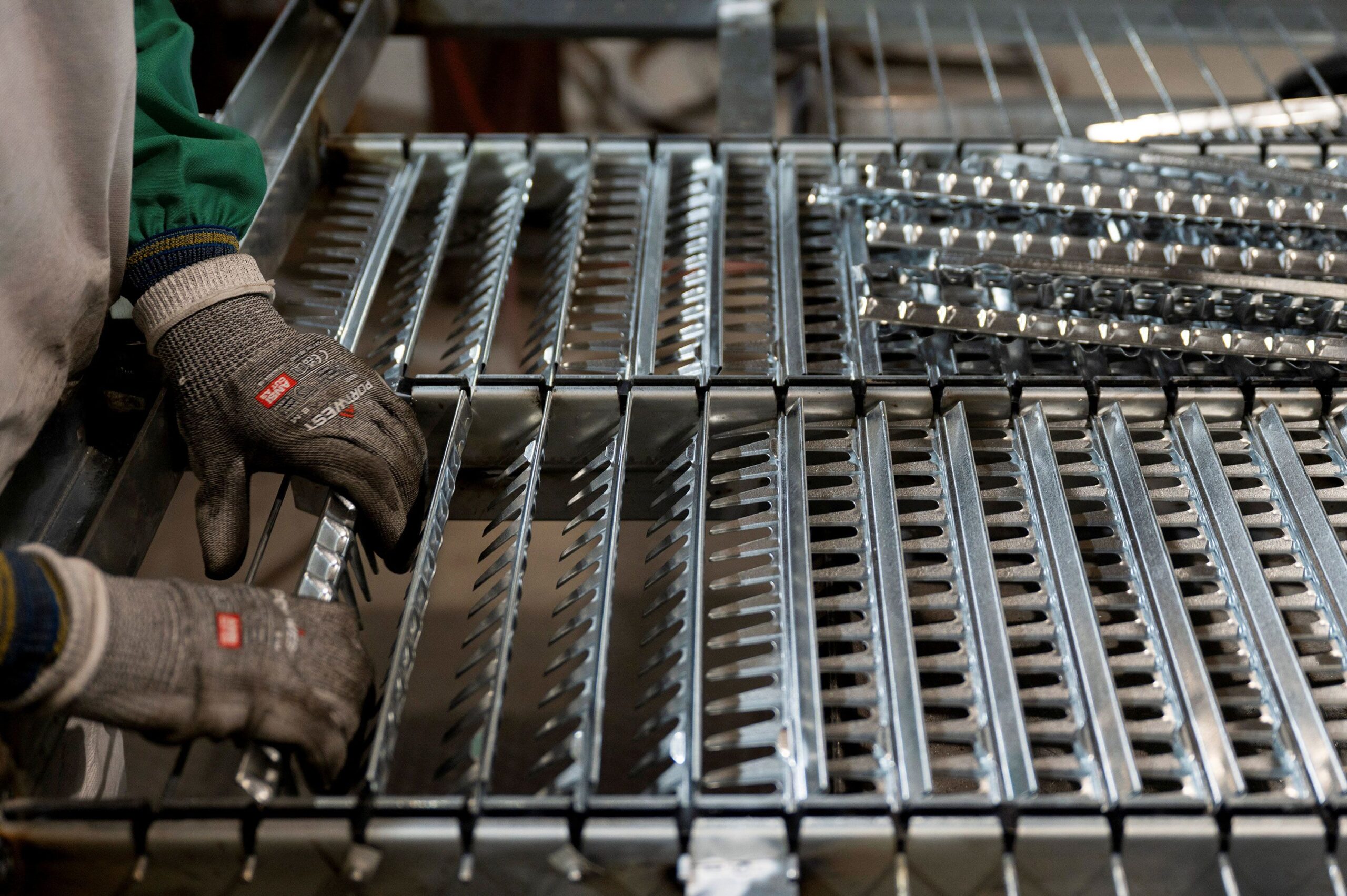
A worker handles components for a steel sieve at HCC
By Alicia Wallace, CNN
(CNN) — The prices businesses pay to each other took a sharp turn higher in January, new data showed Friday, indicating that more tariff-related price increases could be still to come.
The Producer Price Index rose 0.5% last month, a pickup from December’s 0.4% rate, according to the latest data from the Bureau of Labor Statistics. The annual rate of inflation nudged down to 2.9% from 3%.
Stock futures moved lower after the data release, with investors fearing the hotter-than-expected inflation report could lead the Federal Reserve to keep its rate-cutting cycle on pause. Dow futures were down 510 points, or 1.03%. S&P 500 futures fell 0.84%. Futures tied to the Nasdaq 100 slid 0.94%.
PPI, which measures the average change in prices that producers receive for their goods and services, is closely watched as a potential bellwether for the prices consumers may see in the months ahead.
“Tariffs are being passed through along the supply chain,” Michael Reid, US economist at RBS Capital Markets, told CNN on Friday. “And so, our worry is that this is not the end of the pass through. We have not yet seen the full impact on consumer prices in the goods space.”
Gas and food prices tumbled during the month; however, those decreases were countered by a sharp increase in “trade services,” a category that measures profit margins for wholesalers and retailers.
Trade services can be highly volatile on a monthly basis and economists have closely watched this category during the past year as it could serve as a signal for whether businesses are absorbing the higher costs US importers are paying for tariffs.
Trade services leapt 2.5% in January, a potential indication that costs could be passed along to other businesses and consumers.
Economists were expecting wholesale inflation to increase 0.3%, which would have resulted in a 2.6% annual rate.
When excluding food and energy, the core PPI gauge (which provides a measure of the underlying inflation trend) picked up sharply. Prices rose 0.8% versus 0.6% in December to bring the annual rate to 3.6%, the highest in 10 months.
This story is developing and will be updated.
The-CNN-Wire
™ & © 2026 Cable News Network, Inc., a Warner Bros. Discovery Company. All rights reserved.
CNN’s John Towfighi contributed reporting.
