Global bond markets are getting hammered. Here’s why that could make your life more expensive
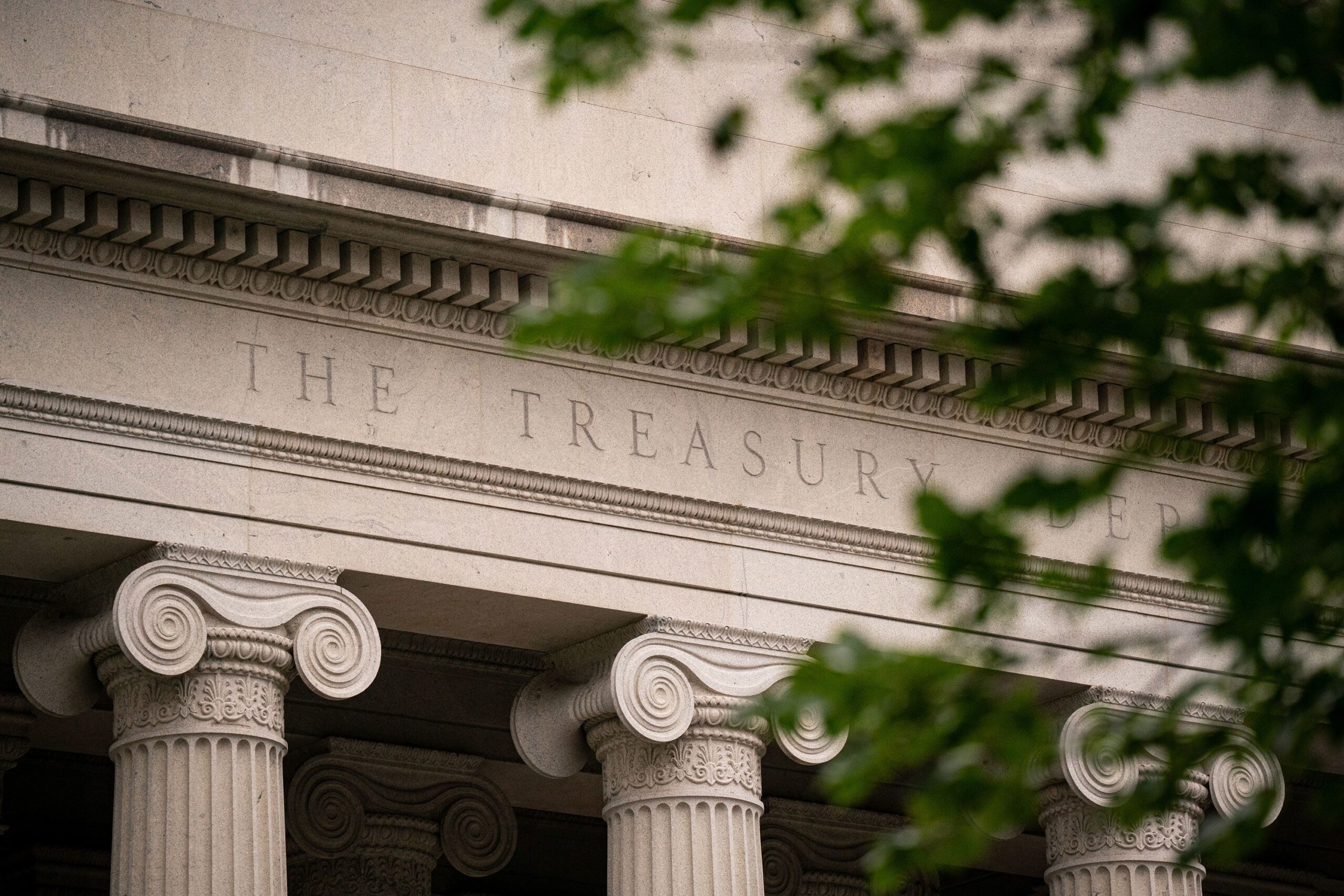
The US Treasury building in Washington

By John Towfighi, CNN
New York (CNN) — Investors’ concerns over issues like inflation and hefty government deficits, plus more competition from corporate bonds, are driving a global bond market sell-off, pushing up borrowing costs for governments and everyday people alike.
The 30-year US Treasury yield on Tuesday hit its highest level since 2007, rising to 5.34% before edging down slightly. The 10-year yield hit 4.74%, near the highest level of President Donald Trump’s second term.
And it wasn’t just US bonds. In France and Germany, 10-year bond yields this week hit their highest levels since 2008 and 2011, respectively. In Japan, the 10-year yield hit its highest level in 30 years.
Bond yields rise when prices fall. Investors are selling bonds, pushing prices lower and sending yields higher.
But investors aren’t the only ones affected — far from it. Bond yields help set the interest rates that regular people pay for all kinds of loans. In the United States, for example, the yield on the 10-year Treasury influences mortgages rates, auto loans and rates for business loans.
A steep rise in yields can make mortgages and loans more expensive, making it harder for many people to afford their lives.
The global bond market sell-off in part reflects investors’ longstanding concerns about unchecked government spending and rising deficits. Investors are demanding more compensation for the risk of lending money to governments amid a backdrop of shakier finances.
“The market is responding to a world of greater fiscal, geopolitical and policy uncertainty by demanding higher compensation for holding long-dated debt,” Jonas Goltermann, chief markets economist at Capital Economics, said in a note.
Still, the US 10-year yield has more of an influence on everyday borrowing costs than the 30-year yield, and it hasn’t surged as much, Goltermann noted.
The bond market angst has also been exacerbated this year by the US-Israeli war with Iran and the rise in oil prices. Brent crude on Tuesday settled at $91 per barrel. Investors can demand a higher yield on bonds to compensate for the risk of inflation eating into their return.
The outlook for central banks matters for bond yields. Central banks could end up keeping interest rates higher for longer, or even raise them, to combat inflation sparked by those higher energy costs.
“The worsening situation in the Middle East is likely a factor in intensifying concerns over inflation and concerns over the US fiscal position,” Derek Halpenny, head of research for global markets at MUFG, said in a note.
“There remains zero appetite in the US for addressing the US fiscal position and that is increasingly weighing on the long end of the curve,” Halpenny said.
Government bonds are also under pressure from a wave of new corporate debt, including tech firms focused on artificial intelligence. Tech companies are issuing debt to fund the buildout of AI infrastructure, and those bonds are competing with government bonds for investors’ attention. Less demand for government bonds pushes prices lower, which pushes yields higher.
“Hyperscaler borrowing to fund AI infrastructure is competing for the same pool of buyers at the same moment governments need those buyers most,” Nigel Green, CEO at deVere Group, said in a note. “Crowd two urgent borrowers into one market and the price of patience goes up for everybody.”
Wall Street is also adjusting to Kevin Warsh’s tenure as Federal Reserve chairman. While a change in leadership at the Fed can trigger some market volatility, Chairman Warsh’s approach of less communication has added to uncertainty about how the central bank will respond to inflation and other economic shocks. And his refusal to provide forward guidance leaves investors with less clarity about where US interest rates are headed.
“It is hard to pinpoint a particular development that has triggered this latest bond market sell-off, although unease around Fed Chair Warsh’s ambiguity on the Fed’s policy framework is probably part of the explanation,” Goltermann at Capital Economics said in a note.
Global sell-off
For government bonds, the yield is the interest rate the government pays to bond investors – or the government’s cost of borrowing money. The global bond sell-off is pushing up the cost of borrowing for governments in the United States, the United Kingdom, France, Japan and others.
The rise in bond yields creates complications for policymakers as governments are faced with rising debt. In the United States, the national debt is nearing a record $40 trillion.
A surge in bond yields can also put pressure on the stock market. Higher yields can pull investors away from stocks, while also altering analysts’ calculations for the value of stocks. US stocks closed lower Tuesday: The S&P 500 fell 0.7%, and the tech-heavy Nasdaq Composite dropped 1.3%.
The 30-year US Treasury yield traded around 4.7% in February before the war with Iran before climbing in recent months above 5.3% to hit its highest level since 2007.
“Bonds are on the move: a sharp rise in government bond yields around the world may start to pose a threat to equity valuations and make life even trickier for deeply indebted nations and policymakers,” Neil Wilson, a strategist at Saxo Markets, said in a note.
The-CNN-Wire
™ & © 2026 Cable News Network, Inc., a Warner Bros. Discovery Company. All rights reserved.
