Cannabis edibles pose a growing danger to young kids. An ER doctor explains what to know
Parents should keep cannabis edibles

By Katia Hetter, CNN
(CNN) — Young children explore the world by touching, tasting and putting things in their mouths. That curiosity can become dangerous when something that looks like an ordinary candy or cookie contains cannabis.
In the United States, accidental ingestions of recreational drugs have surged by more than 3,300% among children younger than 6 over a 25-year period, according to a recent study published in the journal BMC Public Health. Cannabis products, particularly edibles, accounted for much of the increase.
As legalization makes more edibles and other cannabis products available, young children are more likely to find and consume them in their own homes.
To help us understand the findings and what parents and guardians should know about edibles and other recreational drugs in the home, I spoke with CNN wellness expert Dr. Leana Wen. Wen is an emergency physician and clinical associate professor at George Washington University. She previously served as Baltimore’s health commissioner and is the mother of two young children.
CNN: What did this study find about accidental drug ingestions among young children?
Dr. Leana Wen: Researchers analyzed reports to US poison centers between 2000 and 2024 that involved accidental ingestion of recreational drugs by children younger than 6. The team identified more than 41,000 ingestions over this period. The rate increased by more than 3,300% during this time, from about one ingestion per 100,000 children in 2000 to nearly 36 per 100,000 in 2024.
Cannabinoids accounted for nearly 85% of the ingestions. Stimulants, including cocaine and methamphetamine, accounted for about 8%; psychedelics, including psilocybin, 3.5%; opioids, including fentanyl and heroin, about 3%; and dissociative drugs, including ketamine, less than 1%.
Cannabis products alone accounted for 77% of all ingestions, and edibles accounted for nearly half of these. The rate of edible cannabis ingestion rose particularly steeply beginning in 2013, when the first such ingestion was identified in this dataset.
These exposures had serious consequences. About 32% of children were hospitalized, including 12% who were admitted to a critical care unit. Five percent experienced what poison centers classify as a major effect, meaning life-threatening symptoms or significant disability. Six children died.
CNN: Why have accidental ingestions of cannabis edibles increased so dramatically?
Wen: The most likely factor is increased availability. A vast majority of states have legalized medical marijuana use, and more than 20 have legalized recreational use in adults. In 2024, 61.5 million American adults, which is nearly 1 in 4, used marijuana. This means that many homes contain cannabis products.
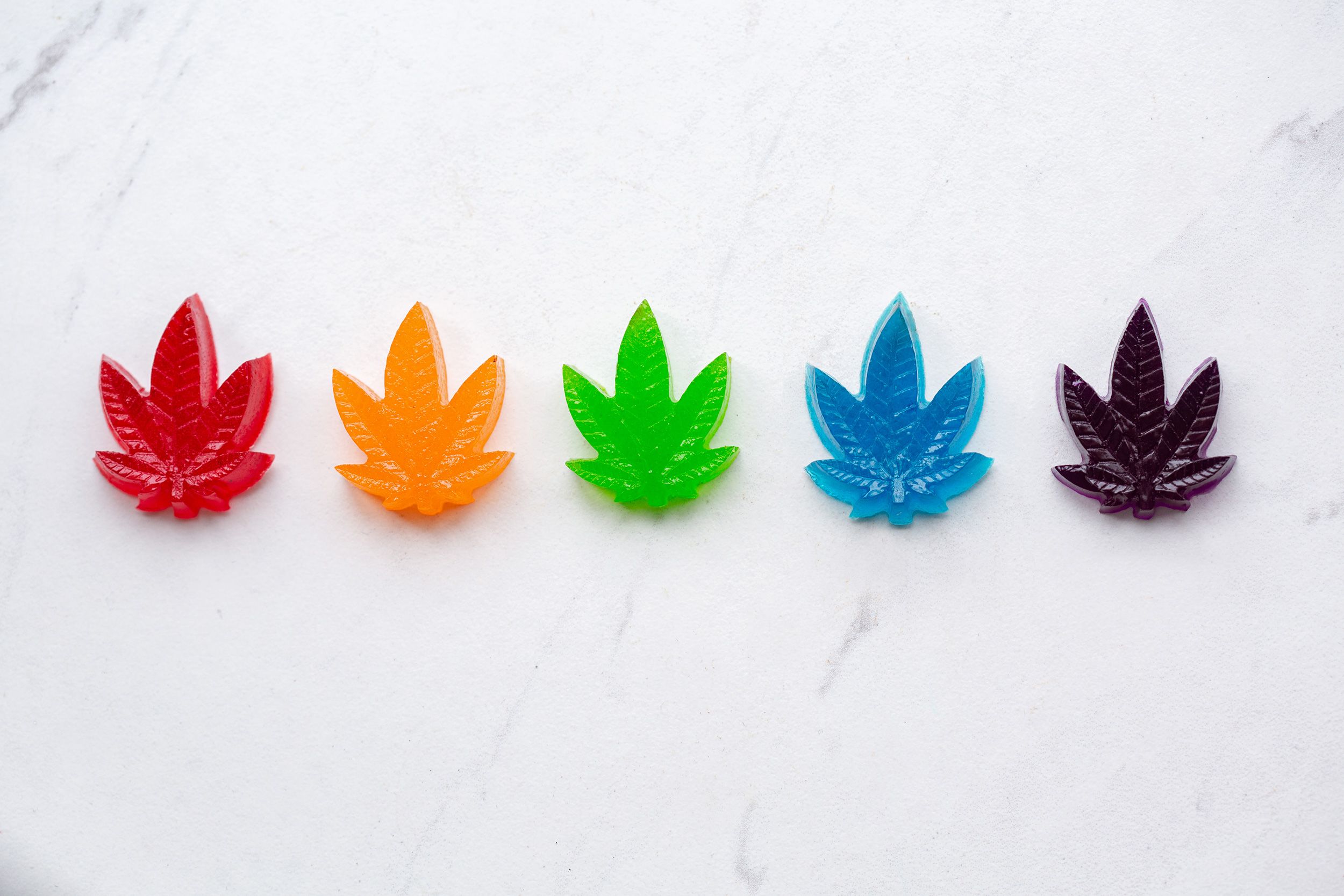
Edibles pose a particular problem for young children because, unlike smoked or vaped products, they can look very similar to foods kids recognize. Cannabis is often infused into gummies, chocolates, cookies and other foods. A 2-year-old who finds a colorful gummy or chocolate brownie would not understand that it contains a potentially dangerous drug.
The age distribution in this study reflects normal childhood development. Nearly half of the ingestions occurred in 1- and 2-year-olds. Curious toddlers are mobile and explore their surroundings by putting things in their mouths.
These exposures also are overwhelmingly occurring where children live and spend time. Ninety-six percent of the incidents happened in a home. That means prevention must focus on how these products are packaged and marketed, and then how they are used and stored at home.
CNN: What happens when a young child ingests cannabis?
Wen: The main psychoactive ingredient in cannabis is tetrahydrocannabinol, or THC. In young children, THC intoxication can cause profound sleepiness, confusion, impaired coordination, vomiting and changes in heart rate. More severe poisoning can result in slowed breathing, seizures, loss of consciousness and coma.
A major concern is that a dose intended for an adult can be very large relative to a young child’s body weight. THC-laced edibles can also contain multiple servings in one package. A child who thinks the product is candy could eat several pieces before an adult realizes what happened.
Symptoms from edibles can be delayed because the THC has to pass through the digestive system. That creates a potential barrier to diagnosis because a caregiver might not connect a child’s sudden sleepiness or altered behavior with something they ate hours earlier.
In this study, cannabis edibles were associated with nearly 5,000 hospital admissions. Cannabinoid ingestions were less likely to cause major effects than several other drug categories, but they were so much more common that they accounted for a substantial number of serious poisonings.
CNN: Are other recreational drugs even more dangerous to young children?
Wen: Yes. This is an important distinction between how frequently children encounter a drug and how dangerous an individual exposure can be.
Opioids represented less than 3% of the ingestions in the study, but more than 27% of opioid ingestions resulted in major negative effects and nearly 30% led to critical care admission. Fentanyl, a synthetic opioid that can be mixed in unknowingly with other drugs, was especially dangerous. Compared with all the other substances studied, fentanyl ingestion was more than seven times as likely to result in a major effect and more than three times as likely to result in critical care admission. Four of the six deaths were attributed to fentanyl.
Stimulants were also associated with severe outcomes. Nearly 24% of stimulant ingestions resulted in critical care admission. Two of the deaths involved cocaine.
Another trend parents should know about involves psychedelics. The rate of psychedelic ingestion increased more than eightfold from 2018 to 2024, driven largely by psilocybin and related mushroom products. Some processed mushroom products are sold as gummies and chocolates, creating the same concern that a child could mistake them for regular food.
CNN: What should parents do if they think their child has swallowed an edible or another drug?
Wen: The most important thing is to not wait to see whether symptoms develop. In the US, parents should call the poison control helpline the moment they suspect ingestion, at 800-222-1222. Poison specialists are available 24/7 and will help family members assess what and how much the child consumed and whether the child needs an emergency evaluation.
Do not try to force the child to throw up or try a home remedy. If possible, find and keep the package so that poison specialists and medical professionals can determine the substance, concentration and amount the child could have consumed.
Of course, be sure to call 911 immediately if the child is unconscious or cannot be awakened, is having difficulty breathing, has a seizure, or is experiencing another life-threatening symptom.
CNN: How should parents store edibles and other recreational drugs?
Wen: Treat them the way you would medications, alcohol or other potentially dangerous substances. Keep them in their original packaging and store them in a locked location that children cannot see or reach.
Putting something on a high shelf is not sufficient. Young children climb, and older children can reach places parents assume are inaccessible. This data covered younger children, but edibles aren’t safe for older children either. Don’t leave these products in purses, backpacks, bedside tables, kitchen cabinets or other places children can access. Don’t transfer THC gummies or other edibles into an everyday candy bag or food container.
These precautions should apply anywhere children spend time, including the homes of babysitters, grandparents, neighbors, and other family members and friends. If you don’t have children but are expecting visiting kids at any point, you should secure all recreational drugs, as you would prescription medications.
CNN: Is there anything else parents should keep in mind about preventing these poisonings?
Wen: Adults should avoid consuming edibles in front of young children. Toddlers learn by imitation. Watching a parent eat what looks like a piece of candy can make the product seem appealing. All it takes is for a parent to step away for a minute for the child to consume something that could be toxic to them.
Parents should also keep in mind that recreational drugs are just one of many potential sources of poisoning in the home. Common hazards include prescription and over-the-counter medications, vitamins, cleaning and laundry products, cosmetics, pesticides, automotive fluids, and batteries. Parents should keep these products locked away and use safety latches on cabinets. Preventing poisonings and seeking help promptly if they are suspected are key to protecting children.
The-CNN-Wire
™ & © 2026 Cable News Network, Inc., a Warner Bros. Discovery Company. All rights reserved.
