What’s behind the rise of the fake tourist attraction?
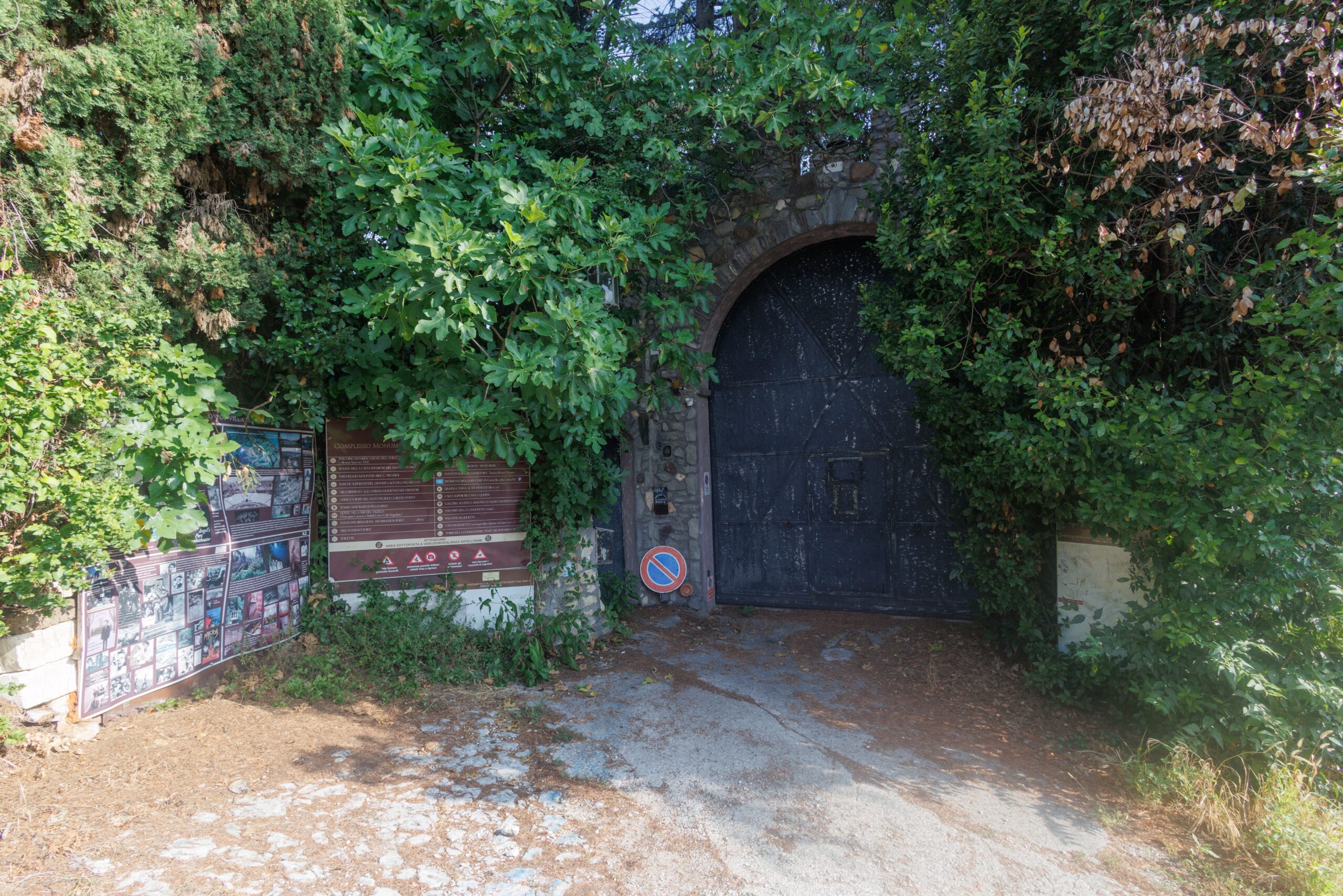
The entrance to a spurious "Greek amphitheater" in Arcugnano

By Lilit Marcus, CNN
This week in travel: why hotels struggle to address noise complaints, the fake tourist attractions luring in visitors, and South Korea’s capital cements its super-cool status.
‘Make it look old’
It had a handful of glowing five-star TripAdvisor reviews, a series of sculpted columns and a photogenic lake, but this historic Greek amphitheater was missing one teensy detail: the truth.
In Northern Italy, Franco Malosso built a 54,000-square-foot “ancient” site and charged unsuspecting tourists $46 to visit it. But after more than a decade of acting as tour guide around the styrofoam-enhanced structure, he was arrested and charged with forgery, among other crimes.
One of the A-listers who supposedly spent time at the amphitheater was Juliet Capulet, the heroine of Shakespeare’s fictional play “Romeo and Juliet.”
Though she was, again, fictional, that hasn’t stopped the nearby city of Verona from cashing in on their famous un-real resident and erecting a balcony inspired by the one that appears in the play. Despite its admittedly fictitious origins, Juliet’s House is one of the most popular sites in Verona.
But not all travelers mind visiting purpose-built attractions. In China, some “fanggu” — faux historical villages — have become hot spots in their own right, as some visitors prefer the structures in the background of their social media pics. They’re also conveniently located next to major cities, making them easier to visit for travelers with limited time.
Human fabulists aren’t the only ones who sometimes lure tourists to less-than-authentic sites. Last year, travelers began flocking to natural hot springs on the island of Tasmania, Australia. However, there was one small wrinkle — said hot springs didn’t exist. They were an AI “hallucination” that made their way onto a travel website.
The search for silence
Hotel luxury isn’t just about rainforest showers and comfy beds.
Many travelers are willing to pay a premium to get some peace and quiet in our increasingly busy world. They’re heading to places like Indonesia’s Bawah Reserve, located on a private island in the middle of the South China Sea where your closest neighbor is more likely to be a sea turtle than another person.
But in big cities, the issue isn’t so simple. Noise is one of the biggest guest complaints at hotels, but it’s incredibly hard to eliminate. Hotels might have to contend with noises from nearby traffic or construction, but they might also have to deal with some guests who are louder than others. Still, with “sleep tourism” more popular than ever, some accommodations are getting creative.
While guests at hotels will interact with staff members like concierges and bellhops, they likely won’t ever meet the people behind the scenes. One documentary hopes to change that by highlighting a special community that helped shape American hospitality.
Thousands of Indian immigrants from the state of Gujarat with the surname Patel made their living by opening up motels across the US — to the point where they and their descendants now control 60% of the industry. “The Patel Motel Story” shows how one group of immigrants found their American dream.
The world’s hippest ‘hoods
Where do you want to stay on your next trip? Whether it’s a hotel, an Airbnb or your friend’s couch, many travelers carefully consider the neighborhood they want to be based in.
This year, the Time Out publishing group has voted Seoul’s Jongno 3-Ga the world’s coolest neighborhood, highlighting its cute shops and cafes as well as its Instagram-ready scenery. CNN sent Seoul-based correspondent Gage Goulding to check it out in person.
Beyond Seoul, Time Out shouted out other cool areas in cities like Bogotá, Glasgow, Mumbai and Los Angeles. Check out the full list.
Anthony Bourdain also traveled to South Korea in his CNN Original series, “Parts Unknown.” CNN subscribers can stream the episode here.
In case you missed it
You’ve probably heard about Mongolia’s desert landscapes.
But have you heard of its throat singing culture?
An awards show. A move by the Fed. A superstar goes on tour.
What do you remember from the week that was?
Europe’s ski season is grappling with climate change.
The slopes are turning to mush. (For subscribers only.)
Husband-and-wife lung slices? Lion’s head meatball?
Learn why some Chinese food names are “impossible to translate.”
The-CNN-Wire
™ & © 2026 Cable News Network, Inc., a Warner Bros. Discovery Company. All rights reserved.
