Oil surges and stock futures sink as war in Iran threatens crude supply
The United States and Israel’s strikes on Iran are expected to spark a surge in oil prices when futures trading opens Sunday at 6 p.m. ET
By Renée Rigdon, Hanna Ziady, Auzinea Bacon, CNN
Oil futures surged Monday after the United States and Israel launched strikes against Iran over the weekend, with the conflict spilling over into the wider Middle East region.
US crude jumped 7.5%. Brent crude, the international benchmark, spiked 6.2% to trade at around $77 a barrel, having briefly surpassed $82 earlier in the trading session. Oil prices had already been rising in anticipation of an attack on Iran.
Meanwhile, stock futures fell. Futures for the S&P 500, the Nasdaq and the Dow were all down more than 1%. But Exxon and Chevron shares rose pre-market as high oil prices tend to boost oil companies’ profits. Defense stocks, like Northrop Grumman and Lockheed Martin, were also up strongly.
Traders are betting that the current disruption to the oil market because of the strikes will be relatively brief. But significant uncertainty remains about the scope and timeframe for the war, which US President Donald Trump suggested could last weeks.
Large-scale unrest, a chaotic power vacuum, strikes that take out oil production, or a prolonged shutdown of a critical oil shipping channel could eventually send oil to $100 a barrel or even higher, industry analysts warn.
If that happens — and the market is currently betting against that scenario — gasoline prices could go through the roof. That could force Americans to pay a price for regime change in Iran, exacerbating affordability concerns.
Here’s what you need know about the oil market as the military conflict ensues.
Iran has major oil reserves
Iran plays a pivotal role in the global oil market. It is a major producer of oil, controls a vital shipping lane for crude and exports to oil-hungry nations such as China. The country also boasts the world’s third-largest proven oil reserves, according to OPEC.
The Organization of the Petroleum Exporting Countries and its allies, OPEC+, said early Sunday they would raise its daily output by 206,000 barrels a day after pausing incremental production increases earlier in the year.
The increase in supply may have somewhat blunted the surge in oil prices, but energy analysts don’t expect it to do much to keep prices in check if there is a sizeable disruption to oil flows.
The Strait of Hormuz
The Strait of Hormuz, a narrow waterway off Iran’s southern coast, is the main shipping route for crude from oil-rich countries such as Saudi Arabia and Kuwait to the rest of the world. Iran controls the strait’s northern side. About 20 million barrels of oil, or about one-fifth of daily global production, flow through the strait every day, according to the US Energy Information Administration, which calls the channel a “critical oil chokepoint.”
Iran has threatened to close the vital waterway in previous conflicts with the United States and other Western nations. During Iran’s 12-day conflict with Israel last year, Goldman Sachs estimated that oil prices could blow past $100 a barrel if there was an “extended disruption” to the strait.
Although Iran has not closed the strait, vessels are avoiding the waterway due to safety risks and after several tankers came under attack in the region at the weekend.
Rystad Energy’s head of geopolitical analysis, Jorge Leon, said there was an “effective halt of traffic” through the vital shipping lane. “Elevated global benchmark prices (for oil)… are expected to be sustained until the Strait is passable,” Leon wrote in a note Saturday.
China relies on Iranian oil
Asian economies, including China and India, would be left particularly exposed if the Strait of Hormuz were closed.
Their scramble to secure oil from other countries could send global prices higher. Even a more benign scenario in which only Iranian oil shipments are affected would have knock-on effects globally.
“Since oil is a global, fungible commodity, a disruption anywhere affects prices everywhere,” Clayton Seigle, a senior fellow at the Center for Strategic and International Relations, a Washington, DC-based think tank, wrote in a recent research note.
“A loss of Iranian barrels would cause China to bid for substitute supplies,” Seigle said.
Even more worrying than the closure of the strait would be if Saudi Arabia’s oil production facilities were knocked offline for an extended period, according to Bob McNally, president of Rapidan Energy Group.
He noted that the oil plant in Abqaiq, Saudi Arabia, that was attacked in 2019 had specialized equipment that “you can’t just order from General Electric.”
On Monday, Saudi Arabia shut some units at its biggest domestic oil refinery, Ras Tanura, after a drone strike. The closure was a precautionary measure and was not expected to affect production, Reuters reported.
Gas prices expected to rise
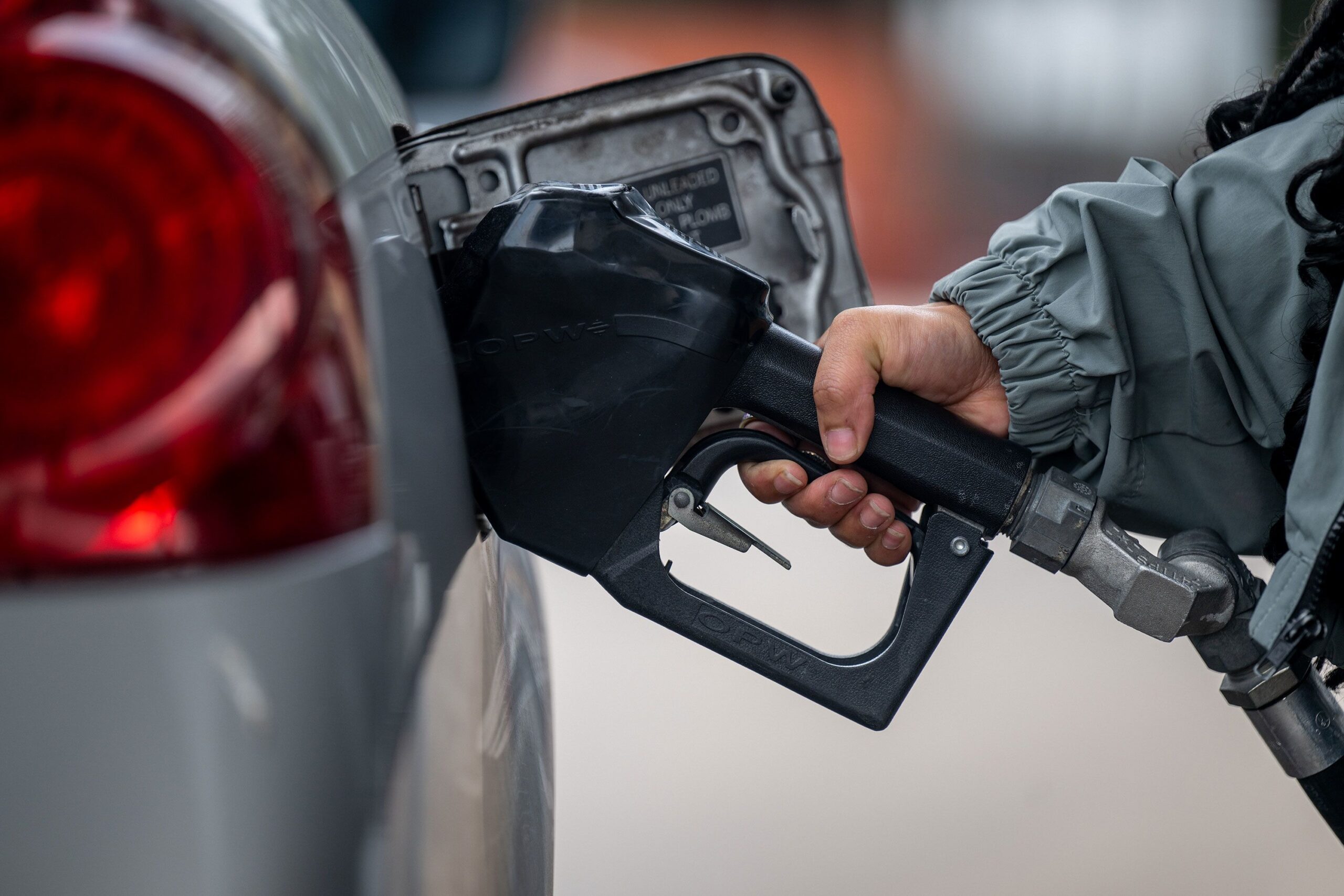
Iran is the world’s sixth-largest oil producer. A prolonged military conflict that engulfs the wider Middle East would mean surging oil prices, boosting gasoline prices and overall inflation, according to experts.
Wholesale prices for gasoline futures could rise 25 cents immediately because of the war with Iran, and that could translate to an increase of 5 cents to 10 cents per day for a while, said Tom Kloza, a veteran oil analyst and an advisor to Gulf Oil, a US company.
“Prior to Friday night, I would have said that we would stop at $3.25 (per gallon). Now it’s kind of, it’s a little bit open ended.”
Gas prices across the nation average $3 a gallon, after dropping to levels not seen since 2021 in December, according to the American Automobile Association. The Trump administration has repeatedly celebrated falling gas prices, which the conflict in Iran threatens to unravel.
When Israel attacked Iran last June, Brent crude posted its biggest single-day gain since March 2022. The price rose further after the United States became involved in the brief conflict and fell sharply when a ceasefire was announced.
The-CNN-Wire
™ & © 2026 Cable News Network, Inc., a Warner Bros. Discovery Company. All rights reserved.
This story has been updated with additional conent.
