What we know on the 14th day of the US and Israel’s war with Iran
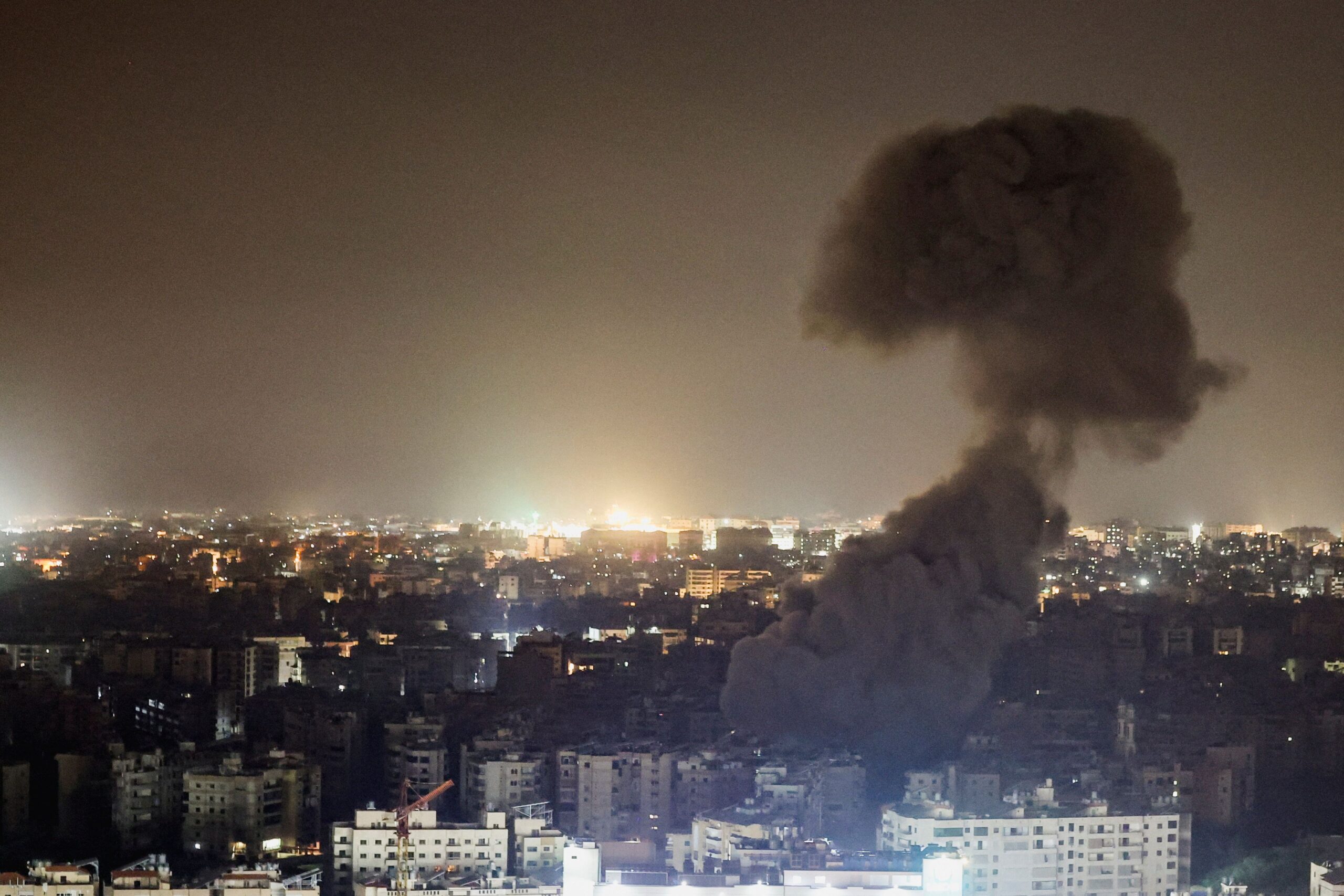
Israel and Hezbollah returned to all-out war in March 2026.
By Jessie Yeung, Max Saltman, Nina Giraldo, CNN
(CNN) — As the US-Israel war with Iran enters its third week, the economic fallout is growing with little sign of relief, as Tehran’s new supreme leader vows to keep the Strait of Hormuz closed.
Casualties are mounting, with six US service members among those killed in the past day when their refueling aircraft crashed in western Iraq. More than 2,000 people have been killed in Iran and Lebanon since the war began, as well as dozens more across the region.
As Israel, Iran and the Lebanese militant group Hezbollah continued trading strikes, US Defense Secretary Pete Hegseth reiterated that the war had significantly weakened Tehran’s military capabilities. Three officials have also told CNN that the US is sending a Marine Expeditionary Unit to the Middle East, though its not yet clear what the unit’s role will be.
Here’s what to know on day 14.
What are the main headlines?
- Crashed aircraft: All six crew members aboard a US Air Force refueling aircraft were killed when it crashed in western Iraq on Thursday, the US military said. The incident wasn’t caused by “hostile fire or friendly fire,” but involved a second US tanker, the military added. An Air Force official later told CNN that the aircraft was not equipped with ejection systems or parachutes to evacuate its occupants mid-air.
- Fuel crisis: US gas prices edged up another 3 cents a gallon in the latest reading from AAA, taking the average price to $3.63 a gallon and marking a 22-month high in costs. The Strait of Hormuz is one of the world’s most vital shipping routes, and its effective closure as a result of the war has sparked a global fuel crisis.
- Iran weakened: Hegseth said joint US-Israeli strikes had significantly diminished Iran’s military capabilities and struck “over 15,000 enemy targets.” He said Iran’s missile volume is “down 90%” and drone volume “down 95%.”
- New Israeli strikes: Israel says it continues to strike Iran going into Friday night, with reported targets including Iranian security checkpoints in Tehran, government buildings and military weapon storage sites. Earlier Friday, explosions were reported in central Tehran near a massive Al Quds Day rally, according to Iranian state-affiliated media, which said one woman was killed. The strike came shortly after Israel issued evacuation orders for nearby areas. Huge crowds gathered in cities across Iran to mark the day, which is held in support of Palestinians.
- Trump’s declaration: US President Donald Trump suggested oil tanker crews should “go through the Strait of Hormuz and show some guts”. At least 16 oil tankers, cargo ships and other vessels have been attacked in and around the Strait of Hormuz, the Arabian Gulf and the Gulf of Oman since the war began two weeks ago, according to the UK’s maritime agency.
- Marines headed to the Middle East: Three officials familiar with the plans told CNN that the Pentagon is deploying a Marine Expeditionary Unit (MEU) to the Middle East. The MEU’s role and exact destination is not yet clear, but the units typically comprise around 2,500 Marines and sailors. In the past, they’ve been used for evacuations, amphibious missions and special operations.
- Supreme leader’s message: A statement read out on Iranian state TV on Thursday and described as Mojtaba Khamenei’s first message as Iran’s new supreme leader warned that the Strait of Hormuz would remain closed as a “tool of pressure” – though the Iranian ambassador to the UN claimed otherwise just hours later. Hegseth later called the written statement evidence that the new supreme leader is “desperate,” “scared” and “injured.”
What’s happening on the ground?
- Dark clouds over Iran: A CNN analysis of satellite imagery and air quality data shows Israeli strikes at fuel facilities across Tehran last weekend spiked pollution levels, ignited fires and caused oil spills. Experts called into question the proportionality of the military’s actions under international law amid criticism from environmental experts and health officials.
- Strikes on Israel: A fresh wave of missiles were launched at Israel early Friday, injuring two people and damaging buildings in the country’s north. Earlier, Iran said it was firing missiles at Israel, and that Hezbollah had launched a simultaneous attack from southern Lebanon, according to Iranian state media.
- Tehran and Beirut targeted: Heavy explosions were felt in several parts of Tehran on Friday, Iranian state media said. Israel’s ambassador to the US said strikes had hit checkpoints linked to Iran’s paramilitary forces. Israel also expanded operations targeting Hezbollah in Lebanon, including in the capital Beirut. Mass evacuation orders in Lebanon could push the number of displaced people to more than 1 million within the next few days, one expert said.
- Regional strikes: Gulf states repelled fresh Iranian attacks on Friday morning, with explosions heard in central Dubai as air defenses intercepted a projectile. Saudi Arabia also intercepted dozens of drones, while sirens sounded in Bahrain. NATO air defenses intercepted a missile over Turkey, the third since this conflict began.
- Mounting casualties: The toll of civilian deaths and injuries continues to climb, with two academics killed by an Israeli airstrike at a Lebanese university on Thursday, two foreigners killed in Oman on Friday, and three Red Crescent aid workers wounded in Iran.
- Further threats: Iran’s Islamic Revolutionary Guard Corps (IRGC) warned it would set the region’s oil and gas “on fire” if Iranian energy infrastructure and ports are attacked.
What’s the latest in Washington?
- US military escorts: Trump said the US would provide military escorts for oil tankers navigating the Strait of Hormuz if necessary, even as he said he hoped such steps would not be required. His comments came a day after Energy Secretary Chris Wright said the US Navy is not yet capable of this.
- New bounty on Khamenei: The State Department announced a $10 million reward for information on top figures in Iran’s government, including the newly-appointed Supreme Leader Mojtaba Khamenei. In a notice posted on social media, the department added that information on those named could make the tipster “eligible for relocation” alongside the cash reward.
- Senate hearing: A key US Senate chairman is planning to hold the first public oversight hearing of the war soon with top Department of Defense officials testifying, CNN has learned. To date, there have been no open oversight hearings of the conflict in the GOP-led Congress – though there have been several classified sessions for members.
- An end in sight?: Trump said Friday that he’ll know the war with Iran is over when he feels it “in (his) bones.” Since the campaign began, Trump has offered differing signals about how long the conflict might continue.
The-CNN-Wire
™ & © 2026 Cable News Network, Inc., a Warner Bros. Discovery Company. All rights reserved.
