Trump claims grocery prices down in State of the Union, but data paints a different picture
By: Alison Patton
COLUMBIA, Mo. (KMIZ) -- President Donald Trump addressed the nation Tuesday night in the annual State of the Union Address, and the ABC 17 News team is fact-checking and adding context to some of the economic claims he made.
"In one year, we have lifted 2.4 million Americans, a record, off of food stamps," Trump said in his address to a joint session of Congress, which the full transcript can be found on CNN.
According to the USDA, 2.6 million Americans were lifted from the program between November 2024-2025. That includes more than 27,000 Missourians who exited the program in the same timeframe.
These numbers follow the Big Beautiful Bill Act, which made work requirements for people who are 65 years old or older; parents or guardians with children who are 14 years old or older; homeless individuals; veterans; and young people who aged out of foster care, according to the USDA.
The Center on Budget and Policy Priorities' chief economist, Gbenga Ajilore, told ABC 17 News that individuals were kicked out of the SNAP program.
"These people are still struggling to put food on the table," Ajilore said.
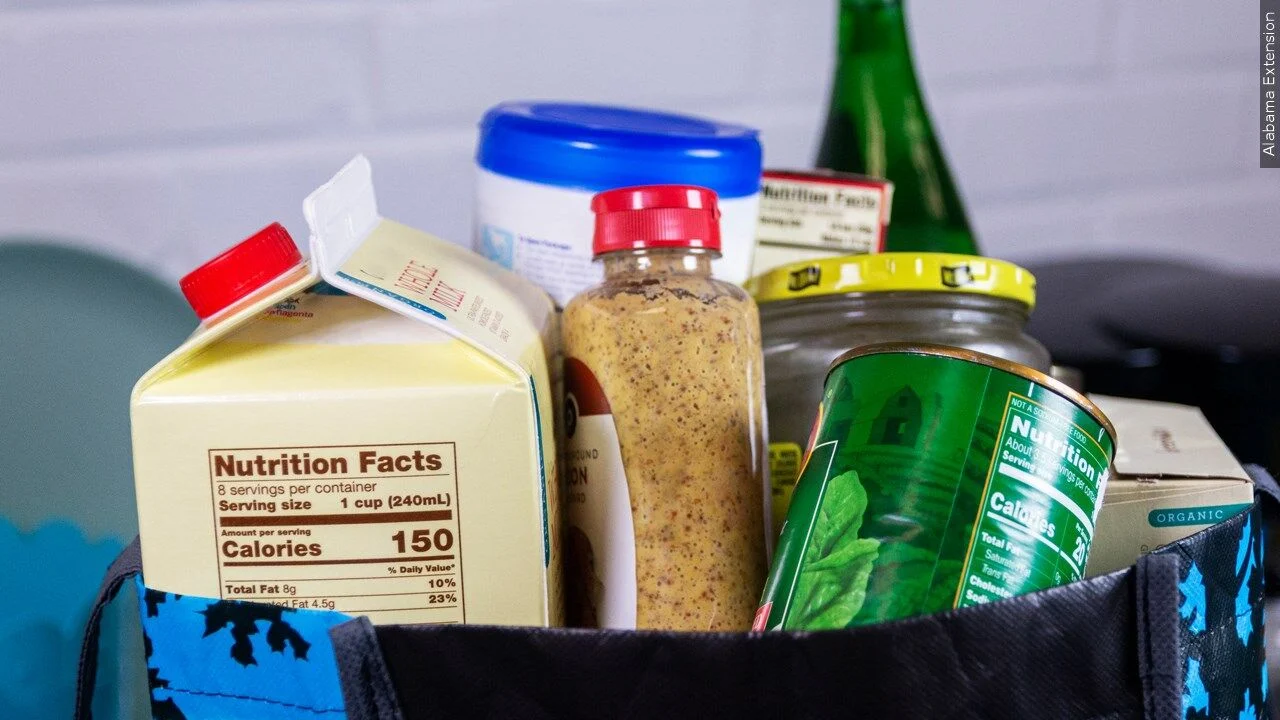
Trump also cited lower grocery bills since taking office.
"The cost of chicken, butter, fruit, hotels, automobiles, rent is lower today than when I took office, by a lot. And even beef, which was very high, is starting to come down significantly," Trump said during the speech.
According to the U.S. Bureau of Labor Statistics, overall consumer food prices have gone up 2.9% from January 2025 to January 2026, with most categories of food rising except for dairy products, which decreased by 0.3%.
The USDA released a report based on the Consumer Price Index that details how certain food industries are pricing products.
Poultry prices decreased by 0.1% from December 2025 to January 2026, but it was still 1.6% higher in January 2026 than in January 2025. Poultry is expected to become pricier this year, with the USDA predicting a 0.1% increase in price.
Eggs have seen a significant price decrease of around 5%, largely because the Bird Flu ravaged flocks last year, and chickens are recovering from the disease. Beef prices have decreased by 0.9% from December 2025 to January, but 2026 prices are 15% higher than the same period last year, and that number is expected to increase by about 5.5% this year, as predicted by the USDA.
Even though Trump has claimed to lower prices since being in office, Ajilore said affordability hasn't improved.
"Look at some of the data, prices overall are still going back up," he said.
Ajilore also claims tariffs are driving prices up, another topic that Trump is invested in.
"I believe the tariffs, paid for by foreign countries, will, like in the past, substantially replace the modern-day system of income tax, taking a great financial burden off the people that I love," Trump said during the nationally televised speech.
The U.S. Supreme Court struck down Trump's tariffs last week, and he has since pledged to work around the courts to keep the policy up, according to CNN.
Missouri State University economics professor David Mitchell said replacing income tax with tariff revenue could work in theory, but Trump would need to impose high tariffs to make up the income tax revenue. High tariffs could also stop consumers from buying.
"It's the exact same thing with the tax on cigarettes," Mitchell said. "You want to raise income by taxing cigarettes, so you raise the tax on cigarettes, but if that dissuades people from smoking, then you don't get any of the tax revenue at the lower rate or the higher rate. So it actually is possible that your tax revenue goes down."
Ajilore said it's not possible for tariffs to replace income tax.
"To get rid of income taxes altogether, replace them with tariff revenue is going to be very difficult, and it's going to be regressive. That's going to fall on low- and middle-income families," Ajilore said.
Charles Zug, a political science professor at the University of Missouri, said the speech was typical for politicians.
"Presidents and States of the Union to do it to sort of trumpet, to extract as much positive value out of what's going on as possible, while diminishing the negatives as much as possible," Zug said.
While the president's party faces a long-standing statistic that the incumbent party does poorly in the midterm elections, Zug said the president's speech isn't expected to sway voters going into November.
"One way of thinking about it is that the State of the Union Address doesn't really matter that much because people don't seem to be persuaded that much," Zug said. "There's not that much room in which to persuade large margins of unconvinced voters one way or the other."
